How Fuel Price Fluctuations Affect Mobile Phone Prices in Pakistan
How Fuel Price Fluctuations Affect Mobile Phone Prices in Pakistan
A change at the petrol pump can make a phone more expensive to deliver, while the price on the shop shelf stays the same. The difference comes down to who pays the extra transport cost, when retailers restock and what else changes along the way.
To understand how fuel price fluctuations affect mobile phone prices in Pakistan, follow a handset from the importer or local assembly plant to the shop or your doorstep. Higher petrol and diesel prices can raise some of the costs along that route. A weaker rupee, a change in import duties or a shortage of a popular model can also shift prices, even when fuel rates are stable.
How Changing Fuel Prices Reach the Phone Market
A phone can travel as part of a bulk shipment on one leg and as a single parcel on the next. Carriers price those trips differently, so a fuel change can affect wholesale freight and home delivery at different times.
From Ports and Warehouses to Retailers
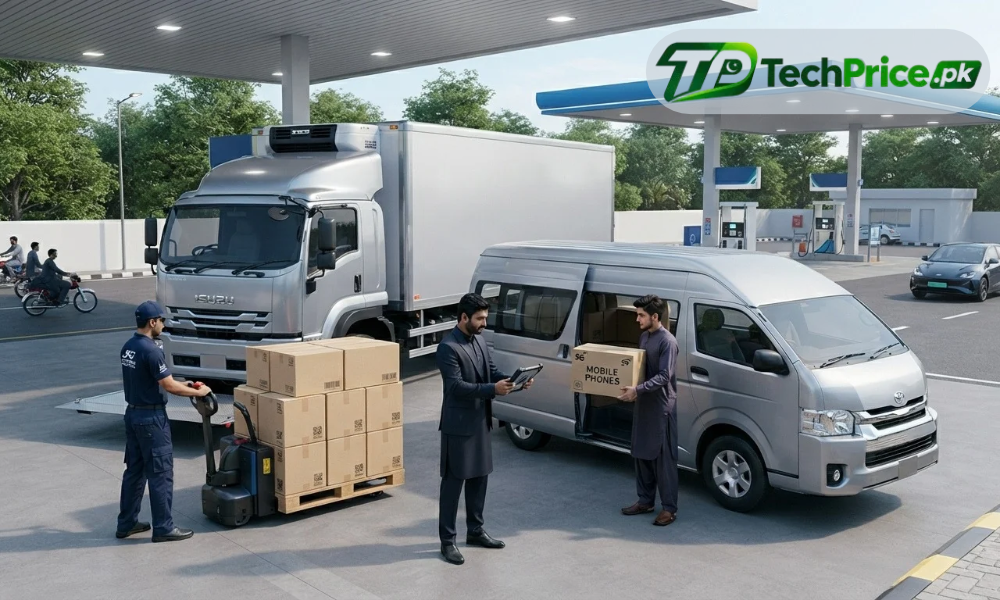
A shipment of imported smartphones may travel by truck from a port or airport to an importer’s warehouse. Distributors then send batches to wholesalers and retailers in cities such as Lahore, Karachi and Rawalpindi. Diesel matters for many freight vehicles on those routes, while petrol can affect smaller vehicles and motorcycles used for local deliveries.
The Oil and Gas Regulatory Authority’s revision effective 24 November 2026 illustrates why the distinction matters. The ex-depot petrol price fell from PKR 322 to PKR 319 per litre, while high-speed diesel stayed at PKR 357 per litre. Following the latest petrol prices in Pakistan can help explain changes in local delivery costs. For a distributor moving stock by diesel truck, the diesel rate is the more relevant figure.
Fuel is one part of a freight bill alongside drivers’ wages, tolls and vehicle upkeep. A distributor shipping many handsets together also spreads the trip cost across the batch. A higher diesel price can therefore raise the cost of moving a shipment without producing an equivalent percentage increase in the price of each phone.
Why Prices Can Change After the Next Delivery
A carrier on a fixed-rate contract may keep charging the same amount until the contract is renewed. An importer can absorb higher costs in its margin, pass them on to retailers or change the way it groups shipments. A shop facing competition may hold its advertised price and reduce a discount instead.
Timing matters in both directions. A fuel increase may first affect a new delivery rather than a phone already in stock. A fuel cut may take time to show up if the retailer is still selling inventory bought and distributed at higher costs.
International Shipping and Domestic Transport Are Separate Costs
For a fully imported smartphone, the importer pays for the handset and arranges international air or sea freight. In Pakistan, the shipment then goes through handling and customs clearance before inland transport, storage and distribution. International freight responds to carrier capacity, routes, overseas fuel costs and currency movements. Pakistan’s pump petrol price is mainly relevant to domestic movement.
Locally assembled phones follow a different route. The finished handset comes from a Pakistani plant, but assemblers can still import components or kits and pay to distribute finished stock nationwide. Industry reporting based on official figures put local production at 23.03 million handsets from January to October 2026, including about 9.62 million smartphones. The larger figure covers basic handsets as well.
The Pakistan Bureau of Statistics recorded provisional mobile phone imports worth PKR 166.2 billion from July to October 2026, down 8.7% from the same period a year earlier. October alone was up 26.4% from September. These figures measure the value of imports. They can move because of shipment timing, the number of phones imported or the mix of cheaper and more expensive models. They cannot tell a buyer whether a specific handset became cheaper that month.
What Else Determines Mobile Phone Prices in Pakistan?
Part of a phone’s cost is set before it reaches Pakistan. Once the handset is on sale, local stock and retailer expenses can also change what a buyer pays.
The USD to PKR Exchange Rate
When an importer pays a supplier in dollars, a weaker rupee makes the same invoice more expensive in local currency. It can also raise the rupee cost of imported parts for locally assembled models. The State Bank of Pakistan published a weighted-average customer USD selling rate of PKR 276.62 on 24 November 2026. Importers’ actual costs depend on when they pay and the rate they obtain. Two shops selling the same model may have acquired their stock at different exchange rates.
Import Duties and Taxes
Under the Ninth Schedule of the Sales Tax Act, sales tax on fully built mobile phone imports is 18% at an import value of US500. That threshold refers to the import value, which can differ from the price displayed in a shop. Customs and regulatory duties and other applicable charges can also affect the landed cost. Imported assembly kits and locally supplied phones can receive different tax treatment.
Manufacturer Pricing and Local Stock
A manufacturer can change its wholesale price, launch a replacement model or discount older stock. Local demand can move prices too. A popular storage variant in short supply may sell for more than another version of the same phone. Retailers with excess stock may offer discounts even while their delivery costs are rising.
Distribution Margins, Fuel and Electricity
Importers, distributors and shops need to cover staff, rent, inventory and warranty handling. Warehouses and shops also pay for lighting, cooling and other electricity use. Where businesses use backup generators, fuel is another operating cost. How much of a cost increase reaches buyers depends on the seller’s margins, contracts and competition.
What Buyers May Notice in Shops and Online
A delivery charge can be the first visible change. Some retailers show it separately at checkout, while others include it in the price or set a minimum order for free delivery. For example, Lahore courier QCS states that its published rates include a fuel adjustment. That shows how fuel can reach a parcel bill without changing the phone’s advertised price.
The effect can differ by price tier. An extra delivery fee takes up a larger share of an entry-level phone’s price. For a mid-range model, a retailer discount or a difference in storage can be more important than the delivery fee. With a premium import, the rupee exchange rate, taxes and local warranty coverage deserve particular attention.
City-to-city price differences can reflect distance from a distributor, local stock or the number of sellers competing for customers. Before attributing a higher price to transport costs, check that both quotes cover the same model, storage, condition, warranty and delivery terms.
Higher Living Costs Can Delay Upgrades
The Pakistan Bureau of Statistics reported 9.6% annual consumer inflation in October 2026, while its national transport category rose 28.6% from a year earlier. The transport figure measures household consumer prices in that category. It does not track what phone distributors pay for freight.
For households, higher commuting and other essential expenses can leave less money for an upgrade even if handset prices hold steady. A buyer may keep a working phone longer, replace a worn battery or choose a lower-priced model. If enough buyers postpone purchases, retailers may have less room to raise prices.
How to Make a Smarter Phone Purchase
Conclusion
Fuel price fluctuations can affect mobile phone prices in Pakistan by raising or lowering the cost of moving stock, operating distribution networks and delivering online orders. Those costs reach buyers differently depending on the retailer, the route and when the stock was purchased.
For an individual phone, the exchange rate, import taxes, manufacturer pricing and local availability can matter more than the latest change at the pump. Compare the total delivered price for the same handset and warranty across several sellers before deciding whether a price increase is worth paying.